Buy debelgischeoptiekgids.be ?
We are moving the project
debelgischeoptiekgids.be .
Are you interested in purchasing the domain
debelgischeoptiekgids.be ?
domain@kv-gmbh.de · 0541-91531010
Buy debelgischeoptiekgids.be ?
Silicone or stainless steel plug?
The choice between a silicone or stainless steel plug ultimately depends on personal preference and intended use. Silicone plugs are typically softer and more flexible, making them comfortable for extended wear and suitable for beginners. On the other hand, stainless steel plugs are firmer, heavier, and provide a more intense sensation, making them ideal for those looking for a more advanced experience or temperature play. Consider factors such as material safety, ease of cleaning, and desired sensation when deciding between silicone and stainless steel plugs. **
What are silicone and silicone hydrogel lenses?
Silicone lenses are a type of contact lens made with a silicone-based material, which allows for increased oxygen permeability to the eye. This can help reduce the risk of eye infections and improve overall comfort. Silicone hydrogel lenses are a specific type of silicone lens that also includes hydrogel, a water-absorbing material that helps keep the lenses moist and comfortable for longer periods of time. These lenses are popular for their breathability and comfort, making them a popular choice for contact lens wearers. **


Similar search terms for TheAssGasm-Plug-silicone-Rubios
Top-Angebote
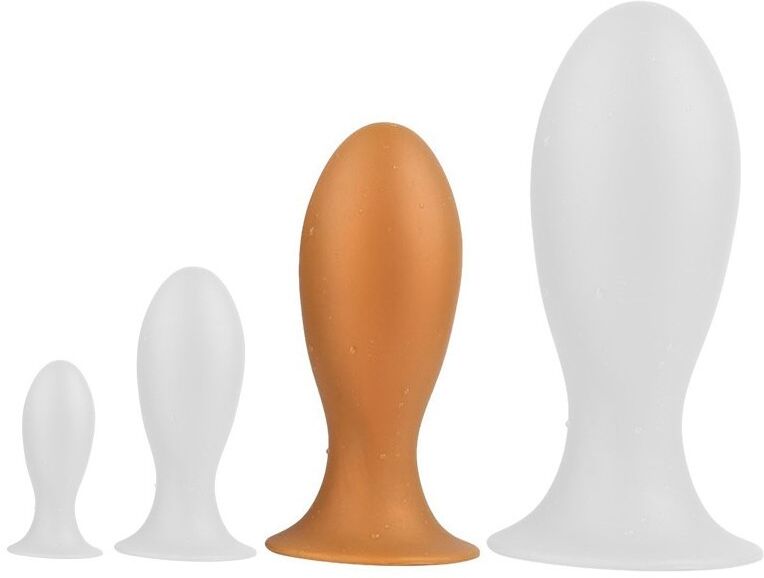
Products related to TheAssGasm-Plug-silicone-Rubios:


-
How do I properly insert a 4mm diameter silicone plug?
To properly insert a 4mm diameter silicone plug, first ensure that the area you are inserting it into is clean and dry. Then, gently push the plug into the opening, using a twisting motion if necessary to help it slide in smoothly. Be careful not to force it, as this could damage the plug or the area you are inserting it into. Once the plug is in place, check to make sure it is secure and properly seated. **
-
Does silicone stick to silicone?
Yes, silicone does stick to silicone. When two silicone surfaces come into contact, they tend to adhere to each other due to their similar chemical composition. This property makes silicone a popular material for creating airtight seals and bonding silicone-based products together. **
-
Can I apply silicone on silicone?
It is generally not recommended to apply new silicone on top of existing silicone. The new silicone may not adhere properly to the old silicone, leading to potential issues with adhesion and durability. It is best to remove the old silicone completely before applying a new layer to ensure a proper bond and a long-lasting seal. **
-
Can silicone be applied on silicone?
Yes, silicone can be applied on top of existing silicone. However, it is important to ensure that the existing silicone is clean and free of any dirt, dust, or residue before applying new silicone. Additionally, it is recommended to use a silicone primer to promote adhesion between the old and new silicone layers. This will help to create a strong bond and ensure a durable seal. **

Can I apply silicone on top of silicone?
Yes, you can apply new silicone on top of existing silicone as long as the old silicone is clean, dry, and in good condition. It is important to remove any dirt, dust, or residue from the old silicone before applying the new layer to ensure proper adhesion. Additionally, make sure to use a compatible silicone product to avoid any compatibility issues. **
Should I wear prescription sunglasses or contact lenses?
The decision between wearing prescription sunglasses or contact lenses depends on your personal preferences and lifestyle. If you prefer the convenience of not having to switch between glasses and sunglasses, contact lenses may be a better option. However, if you have sensitive eyes or prefer not to wear contact lenses, prescription sunglasses can provide protection from the sun while correcting your vision. It's best to consult with your eye care provider to determine which option is most suitable for your needs. **
Top-Angebote
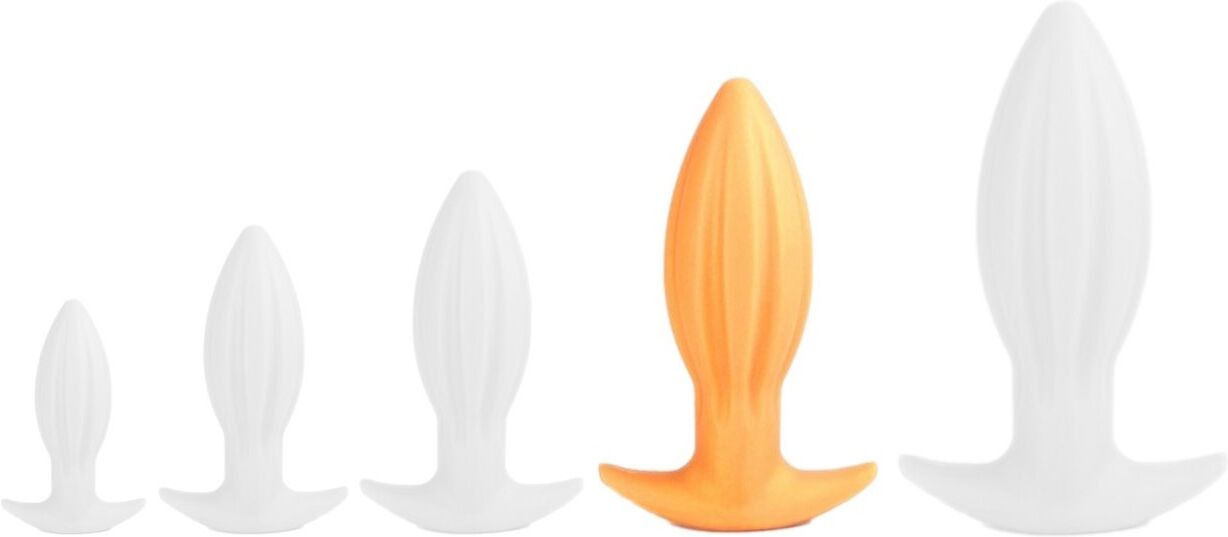
Products related to TheAssGasm-Plug-silicone-Rubios:
-
Silicone or stainless steel plug?
The choice between a silicone or stainless steel plug ultimately depends on personal preference and intended use. Silicone plugs are typically softer and more flexible, making them comfortable for extended wear and suitable for beginners. On the other hand, stainless steel plugs are firmer, heavier, and provide a more intense sensation, making them ideal for those looking for a more advanced experience or temperature play. Consider factors such as material safety, ease of cleaning, and desired sensation when deciding between silicone and stainless steel plugs. **
-
What are silicone and silicone hydrogel lenses?
Silicone lenses are a type of contact lens made with a silicone-based material, which allows for increased oxygen permeability to the eye. This can help reduce the risk of eye infections and improve overall comfort. Silicone hydrogel lenses are a specific type of silicone lens that also includes hydrogel, a water-absorbing material that helps keep the lenses moist and comfortable for longer periods of time. These lenses are popular for their breathability and comfort, making them a popular choice for contact lens wearers. **
-
How do I properly insert a 4mm diameter silicone plug?
To properly insert a 4mm diameter silicone plug, first ensure that the area you are inserting it into is clean and dry. Then, gently push the plug into the opening, using a twisting motion if necessary to help it slide in smoothly. Be careful not to force it, as this could damage the plug or the area you are inserting it into. Once the plug is in place, check to make sure it is secure and properly seated. **
-
Does silicone stick to silicone?
Yes, silicone does stick to silicone. When two silicone surfaces come into contact, they tend to adhere to each other due to their similar chemical composition. This property makes silicone a popular material for creating airtight seals and bonding silicone-based products together. **
Similar search terms for TheAssGasm-Plug-silicone-Rubios
-
Can I apply silicone on silicone?
It is generally not recommended to apply new silicone on top of existing silicone. The new silicone may not adhere properly to the old silicone, leading to potential issues with adhesion and durability. It is best to remove the old silicone completely before applying a new layer to ensure a proper bond and a long-lasting seal. **
-
Can silicone be applied on silicone?
Yes, silicone can be applied on top of existing silicone. However, it is important to ensure that the existing silicone is clean and free of any dirt, dust, or residue before applying new silicone. Additionally, it is recommended to use a silicone primer to promote adhesion between the old and new silicone layers. This will help to create a strong bond and ensure a durable seal. **
-
Can I apply silicone on top of silicone?
Yes, you can apply new silicone on top of existing silicone as long as the old silicone is clean, dry, and in good condition. It is important to remove any dirt, dust, or residue from the old silicone before applying the new layer to ensure proper adhesion. Additionally, make sure to use a compatible silicone product to avoid any compatibility issues. **
-
Should I wear prescription sunglasses or contact lenses?
The decision between wearing prescription sunglasses or contact lenses depends on your personal preferences and lifestyle. If you prefer the convenience of not having to switch between glasses and sunglasses, contact lenses may be a better option. However, if you have sensitive eyes or prefer not to wear contact lenses, prescription sunglasses can provide protection from the sun while correcting your vision. It's best to consult with your eye care provider to determine which option is most suitable for your needs. **
* All prices are inclusive of VAT and, if applicable, plus shipping costs. The offer information is based on the details provided by the respective shop and is updated through automated processes. Real-time updates do not occur, so deviations can occur in individual cases. ** Note: Parts of this content were created by AI.