Buy debelgischeoptiekgids.be ?
We are moving the project
debelgischeoptiekgids.be .
Are you interested in purchasing the domain
debelgischeoptiekgids.be ?
domain@kv-gmbh.de · 0541-91531010
Buy debelgischeoptiekgids.be ?
Are deer or roe deer better?
Both deer and roe deer are unique in their own ways and it ultimately depends on personal preference. Deer are typically larger in size and have a more widespread habitat, while roe deer are smaller and more commonly found in Europe. Some may prefer the majestic appearance of deer, while others may appreciate the elegance of roe deer. Ultimately, both species are fascinating animals with their own distinct characteristics. **
What are roe deer and deer?
Roe deer and deer are both types of ungulates, which are hoofed mammals. Roe deer specifically refer to a species of small to medium-sized deer found in Europe and Asia. They are known for their reddish-brown fur and distinctive white rump patch. On the other hand, the term "deer" is a more general classification that encompasses a variety of species within the family Cervidae, including roe deer, white-tailed deer, elk, and moose. Deer are known for their antlers, which are typically found on males and are used for mating rituals and defense. **

Similar search terms for Deer
Top-Angebote
Products related to Deer:
-
Chicco Sunglasses 5 years+ lunettes de soleil Boy Black/Green 1 pcsChicco Sunglasses 5 years+, 1 pcs, Accessoires pour enfants pour enfant, Les yeux des enfants sont beaucoup plus sensibles aux rayons de soleil que ceux des adultes. Pensez à les protéger correctement. Les lunettes de soleil Chicco Sunglasses 5 years+ protégeront la vue des tout-petits, qu’ils gambadent en pleine nature ou se promènent en ville. Le produit : filtre 100 % des UVA, UVB et UVC monture très légère monture flexible, branches qui ne se brisent pas et ne restent pas déformées accessoire pratique idéal pour les promenades et les sorties8,30 €*Shipping: 3,45 €Secure redirect to the provider
-
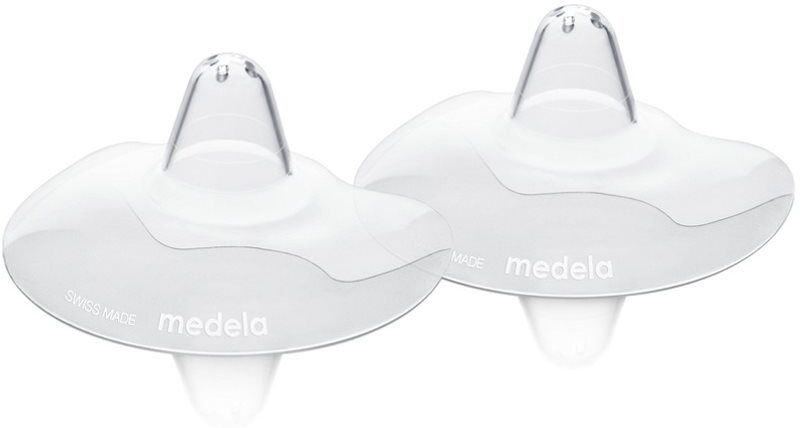
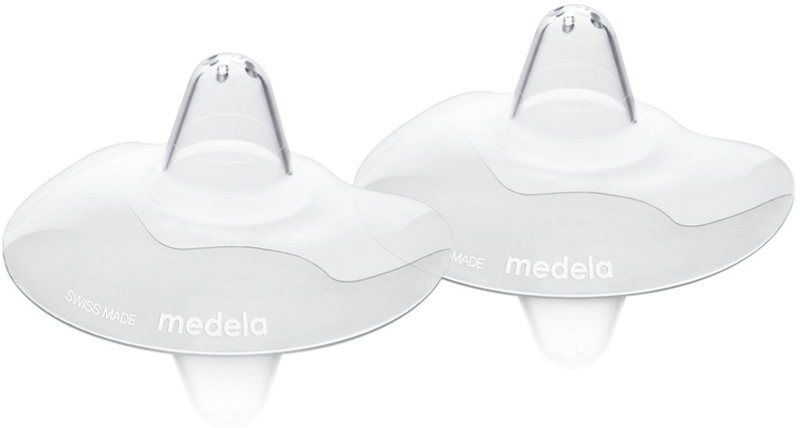
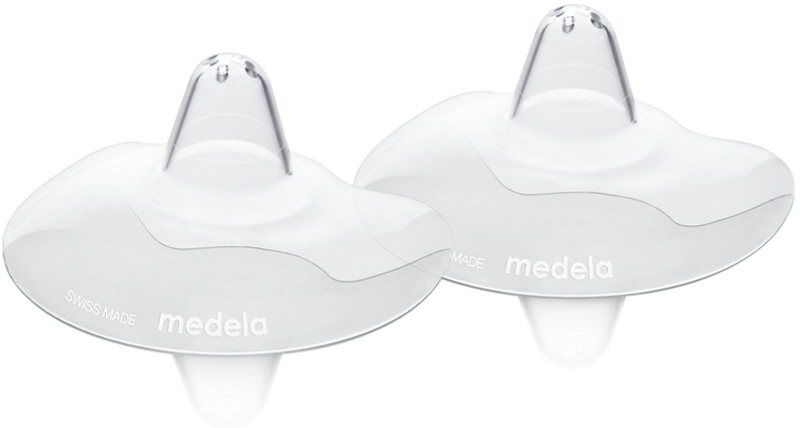
Medela Contact™ Nipple Shields protège-mamelons d’allaitement M (20 mm) 2 pcsMedela Contact™ Nipple Shields, 2 pcs, Protège-mamelons d’allaitement pour femme, Les chapeaux d'allaitement Medela Contact™ Nipple Shields vous aideront à résoudre les problèmes liés à la tétée de votre bébé. Grâce à la forme et au matériel spécialement étudiés, ce moment plein de tendresse entre maman et bébé sera beaucoup plus agréable. Le produit : protège les mamelons douloureux et fissurés corrige les mamelons mal orientés ou plats procure au bébé une sensation confortable et naturelle à chaque tétée protection de forme spéciale permettant au bébé de se blottir contre le sein de la mère pendant la tétée adhère parfaitement au sein en silicone souple15,67 €*Shipping: 3,45 €Secure redirect to the provider
-
Medela Contact™ Nipple Shields protège-mamelons d’allaitement S (16 mm) 2 pcsMedela Contact™ Nipple Shields, 2 pcs, Protège-mamelons d’allaitement pour femme, Les chapeaux d'allaitement Medela Contact™ Nipple Shields vous aideront à résoudre les problèmes liés à la tétée de votre bébé. Grâce à la forme et au matériel spécialement étudiés, ce moment plein de tendresse entre maman et bébé sera beaucoup plus agréable. Le produit : protège les mamelons douloureux et fissurés corrige les mamelons mal orientés ou plats procure au bébé une sensation confortable et naturelle à chaque tétée protection de forme spéciale permettant au bébé de se blottir contre le sein de la mère pendant la tétée adhère parfaitement au sein en silicone souple15,67 €*Shipping: 3,45 €Secure redirect to the provider

-
Why is it called fallow deer and not just deer and roe deer?
Fallow deer are a specific species of deer that are native to Europe and parts of Asia. They are distinct from other types of deer, such as roe deer, in terms of their physical characteristics and behavior. The term "fallow" likely comes from the Old English word "fealu," which means pale or yellowish-brown, referring to the deer's coat color. Therefore, the name "fallow deer" is used to differentiate this particular species from other types of deer. **
-
Why is it called fallow deer and not simply deer and roe deer?
Fallow deer are a specific species of deer known for their distinctive coat colors and palmate antlers. They are called fallow deer to differentiate them from other types of deer, such as red deer or roe deer, which have different physical characteristics and behaviors. Using the term "fallow deer" helps to specify the particular species being referred to in conversations or literature about deer. **
-
Why is it actually called fallow deer and not just deer and roe deer?
Fallow deer are a specific species of deer that are native to Europe and parts of Asia. They are distinct from other types of deer, such as roe deer, in terms of their physical characteristics and behavior. The term "fallow" likely comes from the Old English word "fealu," which means pale or yellowish-brown, referring to the deer's coat color. Therefore, the name "fallow deer" helps to differentiate this particular species from other types of deer. **
-
Why is it actually called Fallow deer and not just deer and roe deer?
Fallow deer are specifically named to distinguish them from other types of deer, such as roe deer. The term "fallow" refers to their pale, yellow-brown coloration, which is unique to this species. By using the specific name "Fallow deer," it helps to accurately identify and classify this particular type of deer within the broader category of deer species. **
What exactly is meant by the term deer, including both roe deer and red deer?
The term "deer" refers to a group of hoofed mammals belonging to the family Cervidae. They are known for their characteristic antlers, which are shed and regrown annually. Roe deer and red deer are two common species of deer. Roe deer are smaller in size, with a reddish-brown coat and a white rump patch. Red deer are larger, with a reddish-brown coat and a distinctive roar during the mating season. Both species are herbivores and are found in various habitats across Europe, Asia, and North America. **
Is this an elk, deer, or a roe deer?
This is a deer. Roe deer are smaller in size compared to elk and deer, and they have distinct white markings on their rump. Elk are much larger in size with a different body shape and antler structure compared to deer. **
Top-Angebote
Products related to Deer:
-
CONVERSE Baskets CHUCK TAYLOR ALL STAR DEER PATTERNDétails produit • Baskets montantes • Usage sportswear • Talon plat • Fermeture : A lacets Composition et Entretien • Dessus/Tige : 100% textile • Doublure : 100% textile • Semelle intérieure : 100% textile • Semelle extérieure : 100% caoutchouc56,00 €*Shipping: 3,99 €Secure redirect to the provider
-
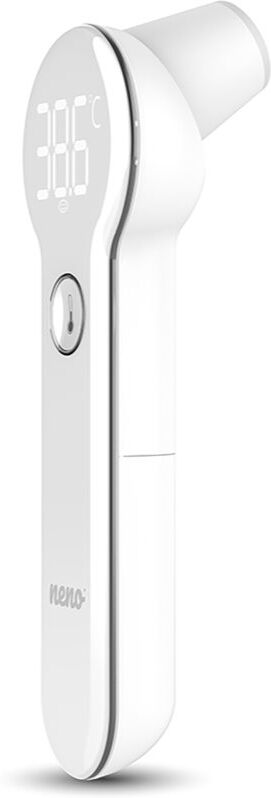
NENO Medic T08 thermomètre sans contact 1 pcsNENO Medic T08, 1 pcs, Thermomètres pour enfants pour enfant, Pour bien prendre soin de bébé, vous devriez toujours avoir le thermomètre pour bébé NENO Medic T08 chez vous. Ce thermomètre vous aidera à déterminer facilement et rapidement la température de votre bébé Le produit : sans contact la température est mesurée en quelques secondes grand écran écran rétroéclairé signal sonore lorsque la température est élevée33,72 €*Shipping: 3,45 €Secure redirect to the provider
-
Chicco Sunglasses 5 years+ lunettes de soleil Boy Black/Green 1 pcsChicco Sunglasses 5 years+, 1 pcs, Accessoires pour enfants pour enfant, Les yeux des enfants sont beaucoup plus sensibles aux rayons de soleil que ceux des adultes. Pensez à les protéger correctement. Les lunettes de soleil Chicco Sunglasses 5 years+ protégeront la vue des tout-petits, qu’ils gambadent en pleine nature ou se promènent en ville. Le produit : filtre 100 % des UVA, UVB et UVC monture très légère monture flexible, branches qui ne se brisent pas et ne restent pas déformées accessoire pratique idéal pour les promenades et les sorties8,30 €*Shipping: 3,45 €Secure redirect to the provider
-
Are deer or roe deer better?
Both deer and roe deer are unique in their own ways and it ultimately depends on personal preference. Deer are typically larger in size and have a more widespread habitat, while roe deer are smaller and more commonly found in Europe. Some may prefer the majestic appearance of deer, while others may appreciate the elegance of roe deer. Ultimately, both species are fascinating animals with their own distinct characteristics. **
-
What are roe deer and deer?
Roe deer and deer are both types of ungulates, which are hoofed mammals. Roe deer specifically refer to a species of small to medium-sized deer found in Europe and Asia. They are known for their reddish-brown fur and distinctive white rump patch. On the other hand, the term "deer" is a more general classification that encompasses a variety of species within the family Cervidae, including roe deer, white-tailed deer, elk, and moose. Deer are known for their antlers, which are typically found on males and are used for mating rituals and defense. **
-
Why is it called fallow deer and not just deer and roe deer?
Fallow deer are a specific species of deer that are native to Europe and parts of Asia. They are distinct from other types of deer, such as roe deer, in terms of their physical characteristics and behavior. The term "fallow" likely comes from the Old English word "fealu," which means pale or yellowish-brown, referring to the deer's coat color. Therefore, the name "fallow deer" is used to differentiate this particular species from other types of deer. **
-
Why is it called fallow deer and not simply deer and roe deer?
Fallow deer are a specific species of deer known for their distinctive coat colors and palmate antlers. They are called fallow deer to differentiate them from other types of deer, such as red deer or roe deer, which have different physical characteristics and behaviors. Using the term "fallow deer" helps to specify the particular species being referred to in conversations or literature about deer. **
Similar search terms for Deer
-
Medela Contact™ Nipple Shields protège-mamelons d’allaitement M (20 mm) 2 pcsMedela Contact™ Nipple Shields, 2 pcs, Protège-mamelons d’allaitement pour femme, Les chapeaux d'allaitement Medela Contact™ Nipple Shields vous aideront à résoudre les problèmes liés à la tétée de votre bébé. Grâce à la forme et au matériel spécialement étudiés, ce moment plein de tendresse entre maman et bébé sera beaucoup plus agréable. Le produit : protège les mamelons douloureux et fissurés corrige les mamelons mal orientés ou plats procure au bébé une sensation confortable et naturelle à chaque tétée protection de forme spéciale permettant au bébé de se blottir contre le sein de la mère pendant la tétée adhère parfaitement au sein en silicone souple15,67 €*Shipping: 3,45 €Secure redirect to the provider
-
Medela Contact™ Nipple Shields protège-mamelons d’allaitement S (16 mm) 2 pcsMedela Contact™ Nipple Shields, 2 pcs, Protège-mamelons d’allaitement pour femme, Les chapeaux d'allaitement Medela Contact™ Nipple Shields vous aideront à résoudre les problèmes liés à la tétée de votre bébé. Grâce à la forme et au matériel spécialement étudiés, ce moment plein de tendresse entre maman et bébé sera beaucoup plus agréable. Le produit : protège les mamelons douloureux et fissurés corrige les mamelons mal orientés ou plats procure au bébé une sensation confortable et naturelle à chaque tétée protection de forme spéciale permettant au bébé de se blottir contre le sein de la mère pendant la tétée adhère parfaitement au sein en silicone souple15,67 €*Shipping: 3,45 €Secure redirect to the provider
-
Medela Contact™ Nipple Shields protège-mamelons d’allaitement L (24 mm) 2 pcsMedela Contact™ Nipple Shields, 2 pcs, Protège-mamelons d’allaitement pour femme, Les chapeaux d'allaitement Medela Contact™ Nipple Shields vous aideront à résoudre les problèmes liés à la tétée de votre bébé. Grâce à la forme et au matériel spécialement étudiés, ce moment plein de tendresse entre maman et bébé sera beaucoup plus agréable. Le produit : protège les mamelons douloureux et fissurés corrige les mamelons mal orientés ou plats procure au bébé une sensation confortable et naturelle à chaque tétée protection de forme spéciale permettant au bébé de se blottir contre le sein de la mère pendant la tétée adhère parfaitement au sein en silicone souple15,67 €*Shipping: 3,45 €Secure redirect to the provider
-
Why is it actually called fallow deer and not just deer and roe deer?
Fallow deer are a specific species of deer that are native to Europe and parts of Asia. They are distinct from other types of deer, such as roe deer, in terms of their physical characteristics and behavior. The term "fallow" likely comes from the Old English word "fealu," which means pale or yellowish-brown, referring to the deer's coat color. Therefore, the name "fallow deer" helps to differentiate this particular species from other types of deer. **
-
Why is it actually called Fallow deer and not just deer and roe deer?
Fallow deer are specifically named to distinguish them from other types of deer, such as roe deer. The term "fallow" refers to their pale, yellow-brown coloration, which is unique to this species. By using the specific name "Fallow deer," it helps to accurately identify and classify this particular type of deer within the broader category of deer species. **
-
What exactly is meant by the term deer, including both roe deer and red deer?
The term "deer" refers to a group of hoofed mammals belonging to the family Cervidae. They are known for their characteristic antlers, which are shed and regrown annually. Roe deer and red deer are two common species of deer. Roe deer are smaller in size, with a reddish-brown coat and a white rump patch. Red deer are larger, with a reddish-brown coat and a distinctive roar during the mating season. Both species are herbivores and are found in various habitats across Europe, Asia, and North America. **
-
Is this an elk, deer, or a roe deer?
This is a deer. Roe deer are smaller in size compared to elk and deer, and they have distinct white markings on their rump. Elk are much larger in size with a different body shape and antler structure compared to deer. **
* All prices are inclusive of VAT and, if applicable, plus shipping costs. The offer information is based on the details provided by the respective shop and is updated through automated processes. Real-time updates do not occur, so deviations can occur in individual cases. ** Note: Parts of this content were created by AI.