Buy debelgischeoptiekgids.be ?
We are moving the project
debelgischeoptiekgids.be .
Are you interested in purchasing the domain
debelgischeoptiekgids.be ?
domain@kv-gmbh.de · 0541-91531010
Buy debelgischeoptiekgids.be ?
Search for an 8-bit computer.
One example of an 8-bit computer is the Commodore 64, which was released in 1982. It was one of the most popular home computers of its time, known for its sound and graphics capabilities. The Commodore 64 had a MOS Technology 6510 microprocessor running at 1 MHz and came with 64 KB of RAM. It was used for gaming, programming, and productivity tasks. **
What is an 8-bit computer?
An 8-bit computer is a type of computer that uses a central processing unit (CPU) with an 8-bit word size, meaning it can process 8 bits of data at a time. These computers were popular in the 1970s and 1980s and were known for their relatively simple architecture and limited processing power compared to modern computers. They typically had a maximum memory capacity of 64 kilobytes and were used for tasks such as word processing, gaming, and simple programming. Some well-known examples of 8-bit computers include the Commodore 64, Apple II, and Atari 800. **

Similar search terms for 8-bit
Top-Angebote
Products related to 8-bit:
-
Audison bit C2OThe bit C2O is an Amplifier Accessories from Audison. The interface converts signals from a coaxial digital input and the analog AUX-IN to an optical digital TOSLINK output signal. The signal processing supports a resolution of up to 24 Bit/192 kHz. The coaxial digital input is equipped with a separation transformer. The AUX input features a preamplifier with adjustable input level. An automatic input selection prioritizes the AUX-IN and switches to the coaxial digital input by default after 6 seconds without an analog signal, adjustable via an internal switch to 9 or 12 seconds. Features Amplifier Accessories Signal conversion from coaxial digital input and analog AUX-IN to optical digital TOSLINK output Coaxial digital input with separation transformer AUX input with preamplifier and adjustable input level Automatic prioritization of AUX-IN Internal switch for adjusting the switching time Technical Specifications Resolution up to 24 Bit/192 kHz Analog-to-digital conversion 24 Bit/48 kHz Gain AUX preamplifier 0.1 V to 2 V Standard switching time without analog signal 6 s Alternative switching time 9 s Alternative switching time 12 s85,11 €*Shipping: 11,74 €Secure redirect to the provider
-
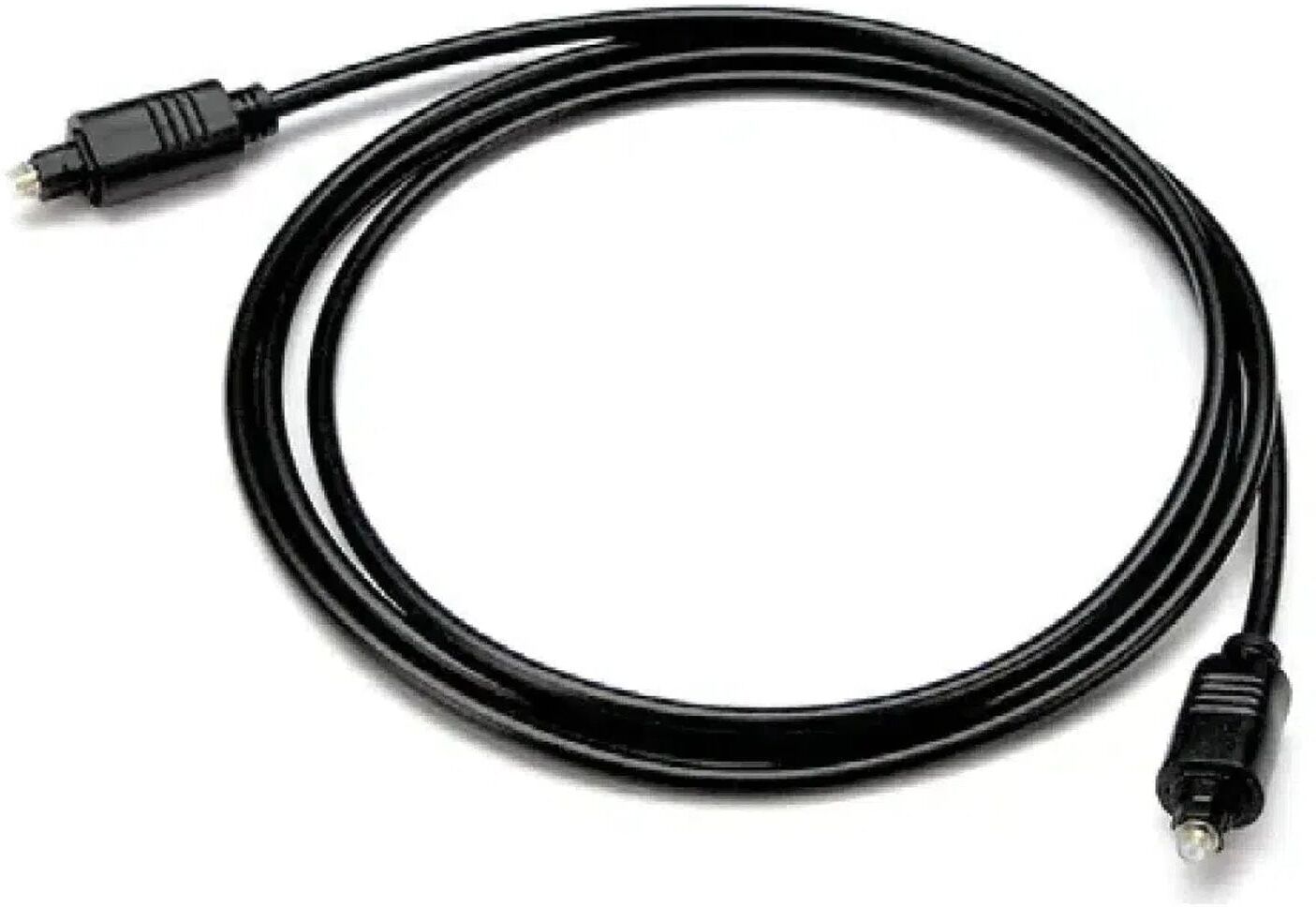
Audison bit OP 1.5Audison bit OP 1.5 is a Toslink Cable and optical digital audio signal cable with Toslink plugs for digital S/PDIF audio signals. The cable length is 1.5 meters. The cable supports nearly lossless transmission of the optical signal. A particularly thick sheath and a robust plug protect the optical fiber. Designed for car audio applications. Features Toslink Cable Cable length: 1.5 m Toslink plugs for digital S/PDIF audio signals Optical digital audio signal cable Nearly lossless signal transmission Particularly thick sheath Robust plug Protection of the optical fiber Designed for car audio applications7,18 €*Shipping: 11,63 €Secure redirect to the provider
-
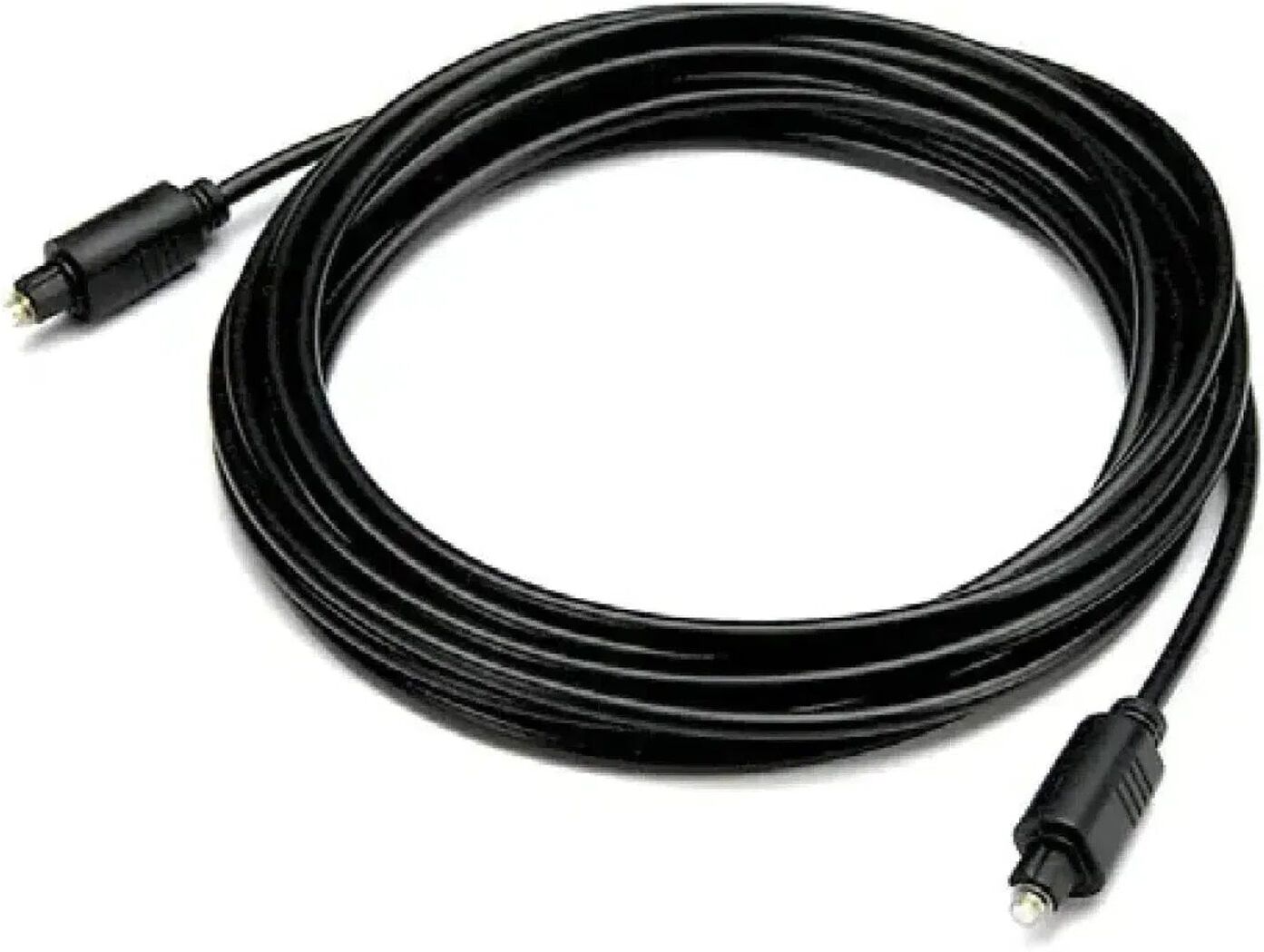
Audison bit OP 4.5The bit OP 4.5 product is a Toslink Cable from Audison. It integrates a 32-bit floating-point processor. The specified resolution is up to 768 kHz, and the format is compact. Features Toslink Cable Manufacturer: Audison 32-Bit Floating-Point Processor Resolution up to 768 kHz Compact Format11,72 €*Shipping: 11,95 €Secure redirect to the provider
-
Audison bit DRC MPThe bit DRC MP is an Amplifier Accessories from Audison. Compatible with all Audison electronic devices via the AC Link-Bus system. Slim profile and mounting included. Joystick with rubber-touch finish. Standard menu with main volume, subwoofer volume, fader, balance, and source selector for Aux 1, Aux 2, digital electrical, and digital optical. DRC settings include keyboard color, keyboard brightness, display brightness, discreet screen, and main screen logo. DSP memory with memories of compatible Audison products as well as DSP settings like dynamic EQ, bass boost, autoIN level adjustment, and player menu: bit Play HD from delay. Navi command for navigating bit Play HD via the joystick, available with connected compatible Audison products and connected bit Play HD. Features Amplifier Accessories AC Link-Bus system, compatible with all Audison electronic devices Slim profile Mounting included Joystick with rubber-touch finish Standard menu: main volume; subwoofer volume; fader; balance; source selector (Aux 1, Aux 2, digital electrical, digital optical) DRC settings: keyboard color; keyboard brightness; display brightness; discreet screen; main screen logo DSP memory: memories of compatible Audison products DSP settings: dynamic EQ; bass boost; autoIN level adjustment; player menu: bit Play HD from delay Navi command: navigation of bit Play HD via the joystick; only available with connected compatible Audison products and connected bit Play HD124,03 €*Shipping: 11,81 €Secure redirect to the provider


-
What is the difference between 8-bit and 16-bit games?
The main difference between 8-bit and 16-bit games lies in the processing power and graphics capabilities of the gaming systems they were designed for. 8-bit games were developed for older consoles like the Nintendo Entertainment System (NES) and had simpler graphics and sound due to the limitations of the hardware. On the other hand, 16-bit games were designed for consoles like the Super Nintendo Entertainment System (SNES) and Sega Genesis, offering improved graphics, sound, and overall gameplay experience compared to their 8-bit counterparts. The transition from 8-bit to 16-bit marked a significant advancement in gaming technology during the late 1980s and early 1990s. **
-
What is an 8-bit shift register?
An 8-bit shift register is a digital circuit that is used to store and shift data in a serial manner. It consists of 8 individual storage units, each capable of holding one bit of data. The shift register allows data to be inputted serially and shifted out in a controlled manner. It is commonly used in digital systems for tasks such as data storage, parallel-to-serial conversion, and serial-to-parallel conversion. **
-
How can you convert music into 8-bit?
To convert music into 8-bit, you can use a digital audio workstation (DAW) or a specialized software that allows you to manipulate the audio file. Start by reducing the bit depth of the audio file to 8-bit, which will decrease the audio quality and create the characteristic sound of 8-bit music. You can also use synthesizers and sound generators to recreate the retro sound of 8-bit music. Additionally, you can add effects such as bit-crushing and sample rate reduction to further enhance the 8-bit sound. **
-
How can one build an 8-bit computer by themselves?
Building an 8-bit computer from scratch requires a good understanding of computer architecture and electronics. One would need to design a central processing unit (CPU) with an 8-bit data bus, program counter, and arithmetic logic unit (ALU). Additionally, one would need to create a memory system, input/output interfaces, and a clock circuit for synchronization. Building an 8-bit computer from scratch can be a challenging but rewarding project for those interested in learning about computer hardware and design. **


How can one create 8-bit 2D animations with Blender?
To create 8-bit 2D animations with Blender, you can start by creating a new project and setting the dimensions to match the 8-bit style you want to achieve. Then, you can use Blender's Grease Pencil tool to draw and animate your 2D characters and objects. You can also use the pixel art technique to create the 8-bit aesthetic by manually placing and coloring pixels to create your animation. Additionally, you can use Blender's timeline and keyframe animation tools to bring your 2D drawings to life with movement and transitions. **
What is the relationship between 8-bit and 420 color subsampling?
8-bit and 420 color subsampling are related in the context of digital image and video processing. 8-bit refers to the color depth of an image, which means it can represent 256 different shades of red, green, and blue. 420 color subsampling, on the other hand, refers to the method of reducing the amount of color information in an image or video. When 420 color subsampling is applied to an 8-bit image, it means that the color information is reduced by averaging the color values of neighboring pixels, resulting in a lower resolution image with less color detail. **
Top-Angebote
Products related to 8-bit:
-
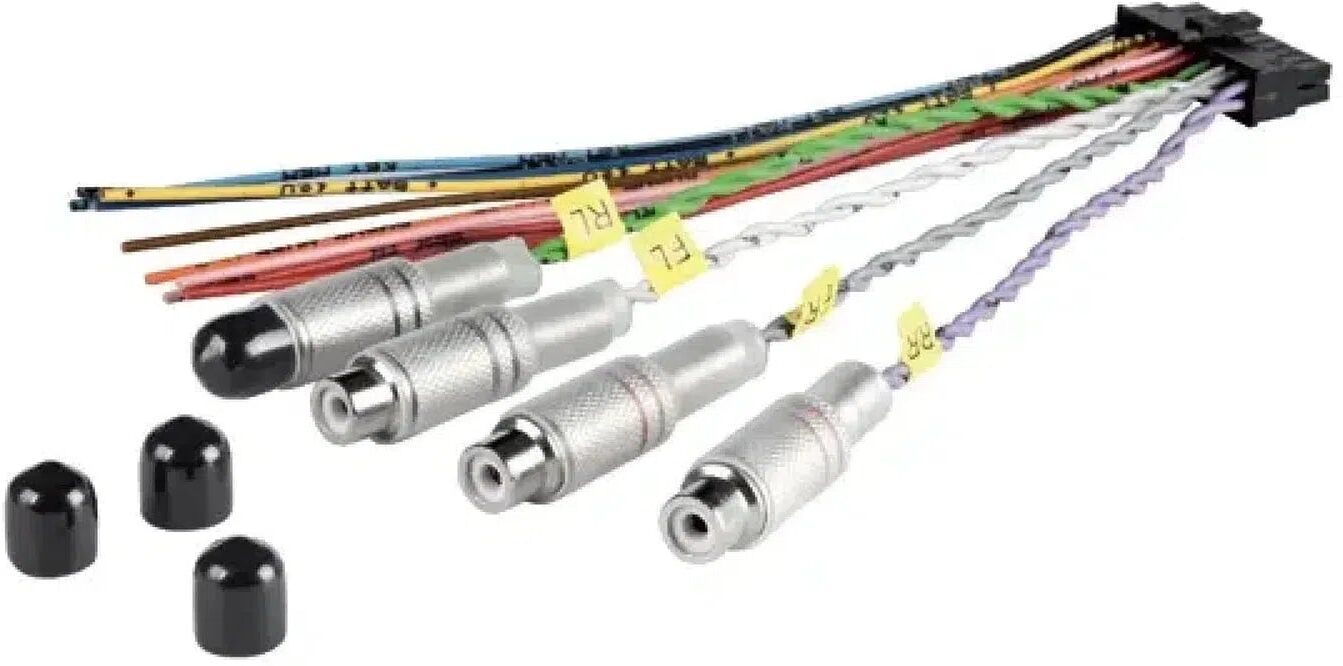
Audison bit CBT1The bit CBT1 from Audison is a DSP Accessory for connecting preamplifier signals to processor inputs. It is an RCA adapter cable with 4 channels. Specifically designed for the bit TEN, it connects the PRE OUTs of the main unit (2 V min.) to the Hi-Level inputs of Bit Ten and Bit Ten D. Features DSP Accessory RCA adapter cable 4 channels Specifically designed for the bit TEN Connection of the PRE OUTs of the main unit (2 V min.) to the Hi-Level inputs of Bit Ten and Bit Ten D Technical Specifications Channels: 4 Connector type: RCA Compatibility: Bit Ten, Bit Ten D Minimum PRE OUT level: 2 V38,16 €*Shipping: 11,63 €Secure redirect to the provider
-
Audison bit DMIAudison bit DMI is an Amplifier Accessory and a digital interface for MOST systems based on fiber optics. It connects Audison bit processors and Audison Amplifiers with digital input to OEM multimedia systems in vehicles with MOST. The digital connection transmits the signal without loss of quality. OEM audio controls such as volume, balance, and tone controls, as well as hands-free, navigation system, and parking sensor alerts remain intact. The MOST optical input is connected via optical fibers. The optical TOSLINK output provides S/PDIF in stereo PCM 16 Bit format at 44.1 kHz or 48 kHz, depending on the system. Digital control and configuration are done via USB Mini-B 2.0 and Windows-based software with programming and updates. Start controls automatically turn the interface on and off with the MOST system and generate the remote-out signal. Features Amplifier Accessory Digital interface for MOST systems based on fiber optics Connection to OEM multimedia systems in vehicles with MOST Compatible with Audison bit processors and Audison Amplifiers with digital input MOST optical input via optical fibers Optical TOSLINK output with S/PDIF USB Mini-B 2.0 for PC connection and digital control Configuration and updates via USB with bit DMI software Windows-based software support (Win2000, XP, Vista, Windows 7, Windows 8) Start controls with automatic on/off switching and remote-out signal Retention of OEM audio controls and service signals such as volume, balance, tone controls, hands-free, navigation device, and parking sensors Digital signal transmission without loss of quality Technical Specifications Input: MOST optical (fiber optic) Output: Optical TOSLINK, S/PDIF Audio format: Stereo PCM 16 Bit Sampling rates: 44.1 kHz / 48 kHz (depending on the system) PC connection: USB Mini-B 2.0 Software: Windows-based, compatible with Windows 2000, XP, Vista, 7, 8 Start control: automatic on/off switching with MOST and remote-out signal532,71 €*Shipping: 0,00 €Secure redirect to the provider
-
Audison bit C2OThe bit C2O is an Amplifier Accessories from Audison. The interface converts signals from a coaxial digital input and the analog AUX-IN to an optical digital TOSLINK output signal. The signal processing supports a resolution of up to 24 Bit/192 kHz. The coaxial digital input is equipped with a separation transformer. The AUX input features a preamplifier with adjustable input level. An automatic input selection prioritizes the AUX-IN and switches to the coaxial digital input by default after 6 seconds without an analog signal, adjustable via an internal switch to 9 or 12 seconds. Features Amplifier Accessories Signal conversion from coaxial digital input and analog AUX-IN to optical digital TOSLINK output Coaxial digital input with separation transformer AUX input with preamplifier and adjustable input level Automatic prioritization of AUX-IN Internal switch for adjusting the switching time Technical Specifications Resolution up to 24 Bit/192 kHz Analog-to-digital conversion 24 Bit/48 kHz Gain AUX preamplifier 0.1 V to 2 V Standard switching time without analog signal 6 s Alternative switching time 9 s Alternative switching time 12 s85,11 €*Shipping: 11,74 €Secure redirect to the provider
-
Audison bit OP 1.5Audison bit OP 1.5 is a Toslink Cable and optical digital audio signal cable with Toslink plugs for digital S/PDIF audio signals. The cable length is 1.5 meters. The cable supports nearly lossless transmission of the optical signal. A particularly thick sheath and a robust plug protect the optical fiber. Designed for car audio applications. Features Toslink Cable Cable length: 1.5 m Toslink plugs for digital S/PDIF audio signals Optical digital audio signal cable Nearly lossless signal transmission Particularly thick sheath Robust plug Protection of the optical fiber Designed for car audio applications7,18 €*Shipping: 11,63 €Secure redirect to the provider
-
Search for an 8-bit computer.
One example of an 8-bit computer is the Commodore 64, which was released in 1982. It was one of the most popular home computers of its time, known for its sound and graphics capabilities. The Commodore 64 had a MOS Technology 6510 microprocessor running at 1 MHz and came with 64 KB of RAM. It was used for gaming, programming, and productivity tasks. **
-
What is an 8-bit computer?
An 8-bit computer is a type of computer that uses a central processing unit (CPU) with an 8-bit word size, meaning it can process 8 bits of data at a time. These computers were popular in the 1970s and 1980s and were known for their relatively simple architecture and limited processing power compared to modern computers. They typically had a maximum memory capacity of 64 kilobytes and were used for tasks such as word processing, gaming, and simple programming. Some well-known examples of 8-bit computers include the Commodore 64, Apple II, and Atari 800. **
-
What is the difference between 8-bit and 16-bit games?
The main difference between 8-bit and 16-bit games lies in the processing power and graphics capabilities of the gaming systems they were designed for. 8-bit games were developed for older consoles like the Nintendo Entertainment System (NES) and had simpler graphics and sound due to the limitations of the hardware. On the other hand, 16-bit games were designed for consoles like the Super Nintendo Entertainment System (SNES) and Sega Genesis, offering improved graphics, sound, and overall gameplay experience compared to their 8-bit counterparts. The transition from 8-bit to 16-bit marked a significant advancement in gaming technology during the late 1980s and early 1990s. **
-
What is an 8-bit shift register?
An 8-bit shift register is a digital circuit that is used to store and shift data in a serial manner. It consists of 8 individual storage units, each capable of holding one bit of data. The shift register allows data to be inputted serially and shifted out in a controlled manner. It is commonly used in digital systems for tasks such as data storage, parallel-to-serial conversion, and serial-to-parallel conversion. **
Similar search terms for 8-bit
-
Audison bit OP 4.5The bit OP 4.5 product is a Toslink Cable from Audison. It integrates a 32-bit floating-point processor. The specified resolution is up to 768 kHz, and the format is compact. Features Toslink Cable Manufacturer: Audison 32-Bit Floating-Point Processor Resolution up to 768 kHz Compact Format11,72 €*Shipping: 11,95 €Secure redirect to the provider
-
Audison bit DRC MPThe bit DRC MP is an Amplifier Accessories from Audison. Compatible with all Audison electronic devices via the AC Link-Bus system. Slim profile and mounting included. Joystick with rubber-touch finish. Standard menu with main volume, subwoofer volume, fader, balance, and source selector for Aux 1, Aux 2, digital electrical, and digital optical. DRC settings include keyboard color, keyboard brightness, display brightness, discreet screen, and main screen logo. DSP memory with memories of compatible Audison products as well as DSP settings like dynamic EQ, bass boost, autoIN level adjustment, and player menu: bit Play HD from delay. Navi command for navigating bit Play HD via the joystick, available with connected compatible Audison products and connected bit Play HD. Features Amplifier Accessories AC Link-Bus system, compatible with all Audison electronic devices Slim profile Mounting included Joystick with rubber-touch finish Standard menu: main volume; subwoofer volume; fader; balance; source selector (Aux 1, Aux 2, digital electrical, digital optical) DRC settings: keyboard color; keyboard brightness; display brightness; discreet screen; main screen logo DSP memory: memories of compatible Audison products DSP settings: dynamic EQ; bass boost; autoIN level adjustment; player menu: bit Play HD from delay Navi command: navigation of bit Play HD via the joystick; only available with connected compatible Audison products and connected bit Play HD124,03 €*Shipping: 11,81 €Secure redirect to the provider
-
Audison bit PIC 6The bit PIC 6 from Audison is a DSP Accessory for use with the Bit Nove. It allows for an RCA preamplifier connection with 6 channels. The connection is made between the PRE OUTs of the main unit and the PRE inputs of the Bit Nove. Designed for a direct connection to the Bit Nove. Features DSP Accessory Manufacturer: Audison Designed for: Bit Nove RCA preamplifier connection 6 channels Connection between PRE OUTs of the main unit and PRE inputs of the Bit Nove16,17 €*Shipping: 11,95 €Secure redirect to the provider
-
Audison bit One HD VirtuosoThe bit One HD Virtuoso is a 13-Channel DSP from Audison with 24 Bit/96 kHz floating-point DSP processing. It features 12 high-level inputs, 12 low-level inputs, and 2 digital inputs as Optical S/PDIF with up to 192 kHz/24 Bit. Pre-outs are available on Ch1–Ch13 in IIR mode and on Ch1–Ch9 in FIR mode; digital outputs are provided via AD Link 1 (Ch1–Ch8, IIR/FIR) and AD Link 2 (Ch9–Ch13 IIR, Ch9 in FIR). The Crossover supports full, high-pass, low-pass, and band-pass filters with Linkwitz, Butterworth, Bessel, and FIR characteristics up to 48 dB. Time alignment with distances from 1.4 to 756 cm, delay 0–22 ms, and step sizes of 0.04 ms/1.4 cm/15.24 mm. The bandwidth ranges from 10 Hz to 44 kHz, THD is at 0.004 % (1 kHz, 1 Vrms), and the S/N ratio reaches up to 110 dBA depending on the input. Input sensitivities: Pre In/Master 1.3–9 Vrms, Speaker In/Master 5–32 Vrms, AUX 0.7–5 Vrms; input impedances: Pre In 15 kΩ, Speaker In/AUX 5 Ω. Remote IN 4–15 VDC (1 mA) and Remote OUT 4–15 VDC (130 mA), connection via micro USB as well as AC Link/AD Link including DRC MP. Nominal voltage 11–15 VDC, idle current 0.75 A, Fuse 2 A. Features 13-Channel DSP 24 Bit/96 kHz floating-point DSP processing 12 high-level inputs 12 low-level inputs 2 digital inputs as Optical S/PDIF (max. 192 kHz/24 Bit) Pre-outs: Ch1–Ch13 (IIR), Ch1–Ch9 (FIR) Digital outputs: AD Link 1 Ch1–Ch8 (IIR/FIR); AD Link 2 Ch9–Ch13 (IIR), Ch9 (FIR) Filter types full, high-pass, low-pass, band-pass; Linkwitz/Butterworth/Bessel/FIR up to 48 dB Phase control 0°/180° Time alignment: distance 1.4–756 cm; delay 0–22 ms; step size 0.04 ms/1.4 cm/15.24 mm Connection: micro USB; AC Link/AD Link; DRC MP via AC Link Technical Specifications Manufacturer: Audison Channels: 13 Sample Rate: 24 Bit/96 kHz DSP processing: Floating Point Nominal supply voltage: 11–15 VDC Idle current: 0.75 A Standby current off without DRC MP: 2 mA Standby current off with DRC MP: 5 mA Remote IN: 4–15 VDC (1 mA) Remote OUT: 4–15 VDC (130 mA) Fuse: 2 A High-level inputs: 12 Low-level inputs: 12 Digital inputs: 2 x Optical S/PDIF (max. 192 kHz/24 Bit) Distortion (THD) @ 1 kHz, 1 Vrms output: 0.004 % Bandwidth @ -3 dB: 10 Hz–44 kHz S/N ratio @ A weighted, 4 V output, 2 V MASTER input: 105 dBA S/N ratio @ A weighted, 4 V output, 2 V AUX input: 110 dBA S/N ratio @ A weighted, 4 V output, Optical IN1/IN2: 104 dBA Channel separation at 1 kHz: 80 dBA Input sensitivity Pre In/Master: 1.3–9 Vrms Input sensitivity Speaker In/Master: 5–32 Vrms Input sensitivity AUX: 0.7–5 Vrms Input impedance Pre In: 15 kΩ Input impedance Speaker In/AUX: 5 Ω Maximum output voltage at 0.1 % THD: 4 V Low Level (Pre) outputs: Ch1–Ch13 (IIR); Ch1–Ch9 (FIR) Digital AD Link 1: Ch1–Ch8 (IIR/FIR) Digital AD Link 2: Ch9–Ch13 (IIR); Ch9 (FIR) Connection to PC: 1 x micro USB To Audison amplifiers: 2 x AC Link/AD Link control bus To Audison DRC MP: 1 x AC Link Filter type: Full/High-pass/Low-pass/Band-pass Filter mode and slope: Linkwitz 12/24/36/48 dB Filter mode and...1337,87 €*Shipping: 0,00 €Secure redirect to the provider
-
How can you convert music into 8-bit?
To convert music into 8-bit, you can use a digital audio workstation (DAW) or a specialized software that allows you to manipulate the audio file. Start by reducing the bit depth of the audio file to 8-bit, which will decrease the audio quality and create the characteristic sound of 8-bit music. You can also use synthesizers and sound generators to recreate the retro sound of 8-bit music. Additionally, you can add effects such as bit-crushing and sample rate reduction to further enhance the 8-bit sound. **
-
How can one build an 8-bit computer by themselves?
Building an 8-bit computer from scratch requires a good understanding of computer architecture and electronics. One would need to design a central processing unit (CPU) with an 8-bit data bus, program counter, and arithmetic logic unit (ALU). Additionally, one would need to create a memory system, input/output interfaces, and a clock circuit for synchronization. Building an 8-bit computer from scratch can be a challenging but rewarding project for those interested in learning about computer hardware and design. **
-
How can one create 8-bit 2D animations with Blender?
To create 8-bit 2D animations with Blender, you can start by creating a new project and setting the dimensions to match the 8-bit style you want to achieve. Then, you can use Blender's Grease Pencil tool to draw and animate your 2D characters and objects. You can also use the pixel art technique to create the 8-bit aesthetic by manually placing and coloring pixels to create your animation. Additionally, you can use Blender's timeline and keyframe animation tools to bring your 2D drawings to life with movement and transitions. **
-
What is the relationship between 8-bit and 420 color subsampling?
8-bit and 420 color subsampling are related in the context of digital image and video processing. 8-bit refers to the color depth of an image, which means it can represent 256 different shades of red, green, and blue. 420 color subsampling, on the other hand, refers to the method of reducing the amount of color information in an image or video. When 420 color subsampling is applied to an 8-bit image, it means that the color information is reduced by averaging the color values of neighboring pixels, resulting in a lower resolution image with less color detail. **
* All prices are inclusive of VAT and, if applicable, plus shipping costs. The offer information is based on the details provided by the respective shop and is updated through automated processes. Real-time updates do not occur, so deviations can occur in individual cases. ** Note: Parts of this content were created by AI.